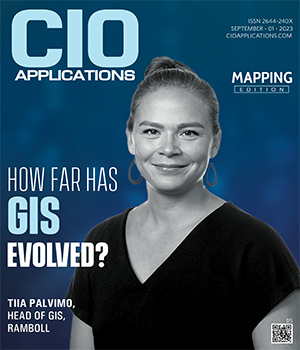
In today's rapidly advancing digital age, mapping technology has emerged as a transformative force, reshaping industries, enabling innovation, and connecting the world in unprecedented ways. From personal navigation to urban planning, disaster response to environmental conservation, the applications of mapping technology are as diverse as they are powerful. As we stand at the precipice of a new era, it is imperative to examine the profound impact and limitless potential of this dynamic field.
Mapping technology has come a long way from the traditional paper maps that once guided explorers and adventurers. The digital revolution has ushered in a new era of maps that are not only visually captivating but also interactive, dynamic, and hyper-accurate. Satellites orbiting the Earth and cutting-edge Geographic Information Systems (GIS) allow us to capture and analyze vast amounts of spatial data, enabling us to create detailed, real-time representations of our world. These maps provide vital insights into everything from traffic patterns and weather conditions to the spread of diseases and the shifting landscape of global economies.
One of the most significant contributions of mapping technology is its role in disaster management and response. During natural disasters such as earthquakes, hurricanes, and wildfires, accurate and up-to-date maps aid first responders in locating affected areas, identifying safe evacuation routes, and allocating resources efficiently. In this context, mapping technology can mean the difference between life and death, highlighting its critical importance in safeguarding communities and minimizing the impact of catastrophes.
Mapping technology stands at the forefront of modern innovation, redefining how we perceive and interact with our world. Its ability to transcend geographical boundaries, inform decision-making, and enhance disaster preparedness positions it as an indispensable tool in the 21st century. As we continue to embrace the possibilities of this dynamic field, it is imperative that we do so responsibly, mindful of the ethical implications and societal impact. By doing so, we can navigate the future with confidence, leveraging mapping technology to create a more interconnected, informed, and resilient world for generations to come.